
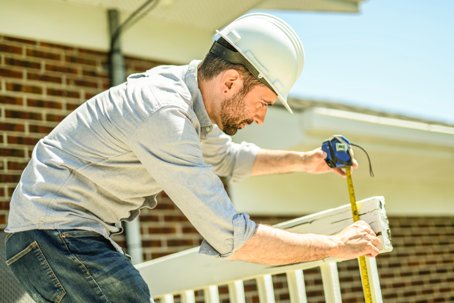
Findlay and Northwest Ohio homeowners face freezing winters, heavy spring rain, and summer storms that put real stress on a roof. Before a new roof goes on, the deck underneath needs a close look
Your roof is only as strong as the structure beneath it. While shingles receive most of the attention, the roof deck (also called roof sheathing) is the foundation that supports your entire roofing system. During every roof replacement, a thorough deck inspection is essential to ensure your new roof is installed over a solid, structurally sound surface.
If damaged decking is covered instead of repaired, even the highest-quality roofing materials can fail prematurely.
What Is Roof Decking?
Roof decking is the layer of plywood or OSB (oriented strand board) attached directly to your roof's framing. It provides the surface that underlayment and shingles are fastened to.
A healthy roof deck should be:
- Structurally sound
- Dry and free of rot
- Properly fastened
- Smooth and level
- Installed with the correct spacing between panels
Why Is a Roof Deck Inspection Important?
Before installing a new roof, every section of the deck should be carefully inspected for signs of damage or improper installation.
Common issues include:
- Water damage
- Rot or mold
- Soft or spongy areas
- Delamination (layers separating)
- Loose or missing fasteners
- Improper panel spacing
- Sagging areas
- Damage around valleys and eaves
Replacing damaged decking before the new roof is installed helps maximize the life of your roofing system and protects your investment.
Many homes in Findlay and Hancock County have been standing for decades, and their original decking may have absorbed years of moisture from storms, snow, and ice. A deck inspection during replacement is the only way to see the condition of that wood before it is covered.
Gaps in Roof Deck Planking
One of the most overlooked issues is improper spacing, or excessive gaps, between roof decking panels.
Why are gaps important?
Roof decking naturally expands and contracts as temperatures and humidity change. Small manufacturer-recommended gaps allow this movement without causing panels to buckle.
However, gaps that are too large can create problems, including:
- Reduced structural support
- Difficulty properly fastening shingles
- Uneven roofing surface
- Increased risk of moisture intrusion
- Potential shingle damage from movement
- Shortened roof lifespan
Large gaps may also prevent roofing nails from properly securing shingles, making the roof more susceptible to wind damage.
How are excessive gaps corrected?
Depending on the condition of the deck, repairs may include:
- Replacing damaged decking panels
- Installing additional blocking for support
- Re-fastening loose decking
- Replacing improperly installed sheathing
- Ensuring proper spacing according to current building standards
Every repair should restore a solid, continuous nailing surface before new roofing materials are installed.
Eave Damage
The eave is the lower edge of your roof where it meets the gutter system.
Because it is exposed to rainwater, snow, ice, and temperature changes, the eave is one of the most common areas for roof deck deterioration.
Ice dams are one of the biggest threats to Ohio eaves. When snow melts on a warm roof and refreezes at the edge, water can back up under the shingles and soak the decking. Homes with older attic insulation or limited ventilation are especially prone to this damage.
Common causes of eave damage include:
- Ice dams
- Gutter overflows
- Poor attic ventilation
- Water backing up beneath shingles
- Long-term moisture exposure
Why is damaged decking at the eaves a problem?
If damaged decking is left in place:
- Roofing nails may not hold properly.
- Water can continue penetrating the roof system.
- Leaks may develop inside the home.
- Fascia and soffit components may deteriorate.
- Mold and wood rot can spread.
How is eave damage repaired?
Repairs typically involve:
- Removing damaged decking
- Replacing rotten wood
- Installing leak barrier underlayment
- Inspecting fascia and soffits
- Correcting drainage issues
- Installing new decking before roofing materials are applied
Valley Damage
Roof valleys are where two roof slopes meet, creating a channel that carries large amounts of rainwater and melting snow.
Because valleys handle more water than almost any other part of the roof, they are especially vulnerable to deterioration.
Signs of valley deck damage include:
- Soft decking
- Water stains
- Rot
- Sagging
- Delaminated wood
- Previous leak repairs
Why is valley damage serious?
A weakened valley can lead to:
- Persistent roof leaks
- Water entering the attic
- Structural wood rot
- Mold growth
- Insulation damage
- Premature roof failure
Even minor damage can worsen quickly because valleys concentrate water runoff during every rainfall.
How is valley damage corrected?
Professional repairs typically include:
- Removing all damaged decking
- Replacing compromised sheathing
- Installing new leak barrier protection
- Inspecting flashing
- Installing the valley according to manufacturer specifications
- Verifying proper drainage before shingles are installed
Never Install a New Roof Over Damaged Decking
Installing premium shingles over deteriorated decking is similar to building a house on a weak foundation.
No roofing manufacturer designs their products to be installed over rotted, soft, or structurally compromised decking.
A proper roof replacement should always include:
- A complete deck inspection
- Replacement of damaged wood as needed
- Proper fastening
- Moisture protection
- Installation that meets current manufacturer requirements
Frequently Asked Questions
Can damaged roof decking be repaired without replacing the entire roof?
Minor issues can sometimes be repaired if caught early. However, during a roof replacement, damaged decking should always be replaced before the new roofing system is installed.
How do I know if my roof deck is damaged?
Signs may include roof leaks, sagging areas, soft spots, visible water stains in the attic, or deteriorated wood discovered after the old roofing materials are removed.
Is replacing damaged decking worth the cost?
Yes. Replacing damaged decking protects the structural integrity of your home, allows roofing materials to be installed correctly, helps maintain manufacturer warranty requirements, and can prevent far more expensive repairs in the future.
Does every roof replacement require deck repairs?
Not necessarily. Many roofs have decking that remains in excellent condition. A professional inspection after the old roof is removed determines whether any repairs are necessary.
Schedule a Professional Roof Inspection
A quality roof replacement starts with a solid foundation. At Clear Choice Exteriors, every roof replacement includes a thorough roof deck inspection to identify hidden damage before your new roofing system is installed.
Our experienced team repairs damaged decking when needed, ensuring your new roof has the strong, stable foundation required for long-lasting performance and manufacturer-backed warranty protection.
Have questions about the condition of your roof? Contact Clear Choice Exteriors today to schedule a professional roof inspection and receive an honest assessment of your roofing system.